Rwanda’s Biodiversity Crisis: Habitat Loss, Overexploitation, and Climate Change
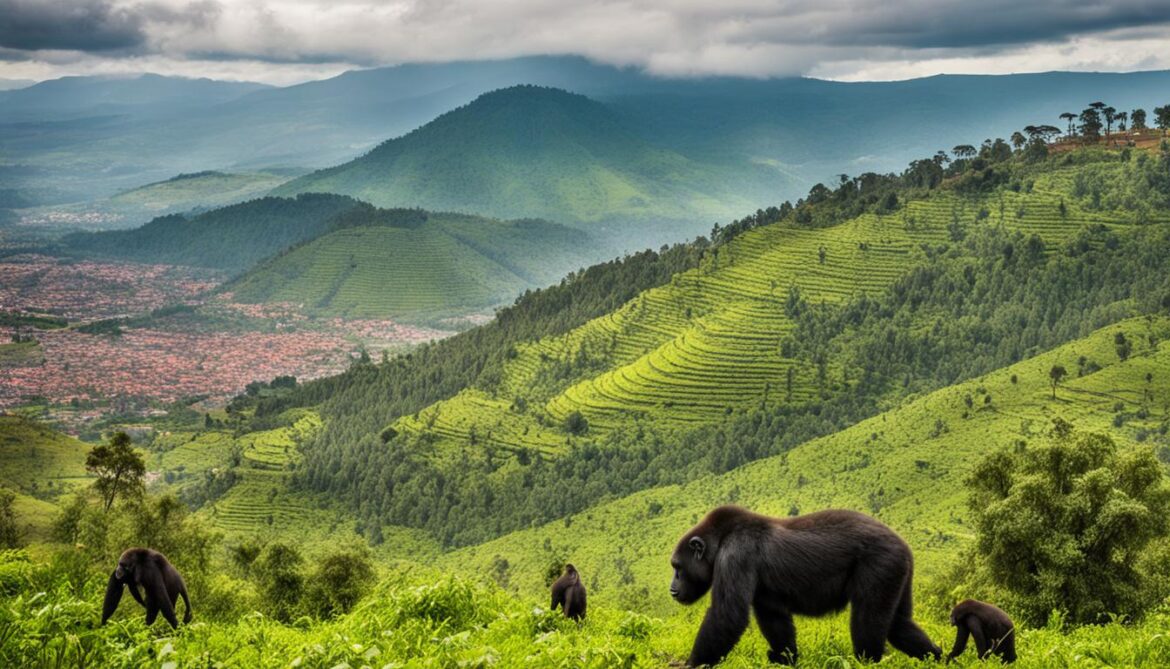
Rwanda consists of a rich diversity of ecosystems including humid montane forests and savannahs to lakes, rivers, and wetlands. These ecosystems harbor significant biodiversity ranging from large to small animals, big to small vegetation. This natural capital provides critical services, including water purification, soil erosion and flood control, and climate change mitigation.
However, this biodiversity is under severe threat, mirroring a global crisis that jeopardizes the essential services ecosystems provide to humanity (Whitehorn et al., 2017). This challenge is particularly acute in Africa, which contains some of the world's most biodiverse regions yet faces exceptional pressures. As the continent's population is projected to quadruple by 2100, it must concurrently grapple with severe climate change impacts and environmental conflicts, which are poised to ravage its natural heritage (Chapman et al., 2022).
In Rwanda, biodiversity loss is driven primarily by human activities, including:
- Habitat Loss & Degradation: Driven by agricultural intensification, deforestation, and urbanization.
- Overexploitation: Including unsustainable hunting, overfishing, and logging.
- Pollution: From industrial and agricultural sources.
- Invasive Species: The introduction of non-native species that disrupt ecosystems.
- Climate Change: Which alters habitats and species interactions.
- Socio-Economic Factors: Underlying pressures that exacerbate all other drivers.
For more information please visit here.
Citations
Chapman, C. A., Galán-Acedo, C., Gogarten, J. F., Hou, R., Kalbitzer, U., Lawes, M. J., et al. (2021). A 40-year evaluation of drivers of rainforest change. For. Ecosyst. 8:66. doi: 10.1186/s40663-021-00343-7
Whitehorna, P.R.,Navarro, L.M., Schröter, M.L.,& Fernandez, M., , Rotllan-Puig,X., Marques, A. (2019). Mainstreaming biodiversity: A review of national strategies. Biological Conservation, 235,157–163.
